
Navigating Persistent Disc Symptoms with Spinal Decompression Therapy
Persistent back or neck symptoms may affect how freely you move through your local routine. Disclift looks closely at the history, behaviour, and impact of your symptoms. We ask when the issue first appeared, whether a particular activity or injury triggered it, and which movements now cause difficulty. We also explore any symptoms extending into the limbs, including changes in sensation or strength. Your ability to sleep, sit, walk, work, and exercise helps us understand the wider effect.
Based on this assessment, spinal decompression treatment in St Albans may be considered where clinically appropriate. Other findings may lead us to recommend medical review, further investigation, or another form of care.
A Clear Explanation of Spinal Decompression
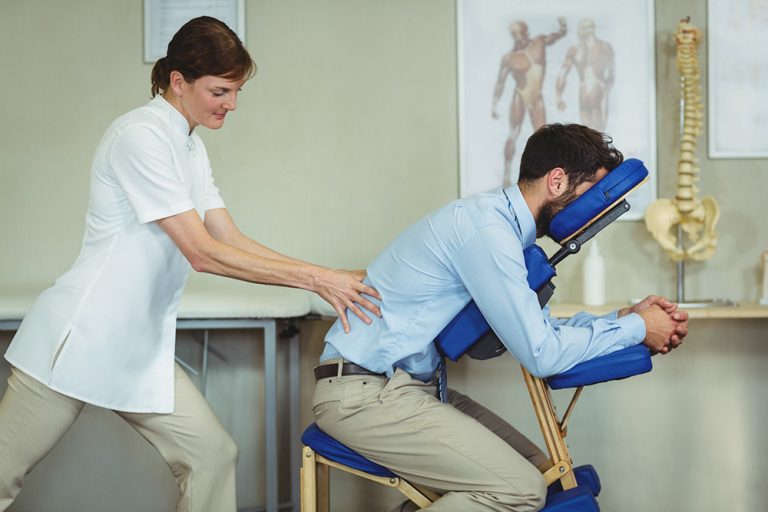
Spinal decompression is a table-based, non-surgical form of care. It uses computer-controlled phases of gentle loading and unloading through a selected part of the spine. The settings are planned according to the region being addressed and may be adjusted in response to comfort and clinical findings.
The purpose is not to force the spine into position or promise a particular outcome. Instead, spinal decompression in St Albans may be discussed for selected people whose presentation appears consistent with a decompression-based approach.
People sometimes search online for how to decompress their lower spine. However, back symptoms do not always come from the same structure. A movement that is appropriate for one person may aggravate another person’s symptoms, especially when leg pain, numbness, weakness, or a recent injury is present.
An Assessment Before Choosing Back Pain Care

An Assessment Before Choosing Back Pain Care
Back pain may relate to muscle overload, irritated joints, disc changes, nerve sensitivity, repetitive work, or a sudden increase in physical activity. Consequently, treatment should reflect the likely cause rather than rely on one method for every patient.
Someone needing lower back pain muscle strain treatment may require a different plan from a person experiencing nerve-related leg symptoms. Likewise, general exercises for lower back pain may be useful in some situations but may need modification according to movement tolerance and clinical findings.
For this reason, Back Pain Treatment in St Albans begins with screening. If decompression is not suitable, the clinician may discuss other conservative options or recommend medical review, imaging, or referral where clinically appropriate.
Conditions Commonly Assessed in St Albans
DISCLIFT may be considered as part of a care plan for selected people experiencing:


Disc and Nerve-Related Symptoms That May Be Assessed
People may enquire about decompression after experiencing persistent lower back pain, neck symptoms, pain travelling into the leg, tingling, altered sensation, or difficulty tolerating prolonged sitting.
Presentations commonly assessed may include bulging or herniated discs, sciatica, degenerative disc changes, and certain ongoing back or neck complaints. Nevertheless, the name written on a scan does not automatically determine treatment. Imaging findings need to be considered alongside symptoms, health history, strength, sensation, and physical examination.
For example, disc decompression in St Albans may be discussed when symptoms and examination findings suggest possible disc or nerve involvement. However, not every disc change causes pain, and not every episode of sciatica requires decompression.
What a Decompression Program May Involve
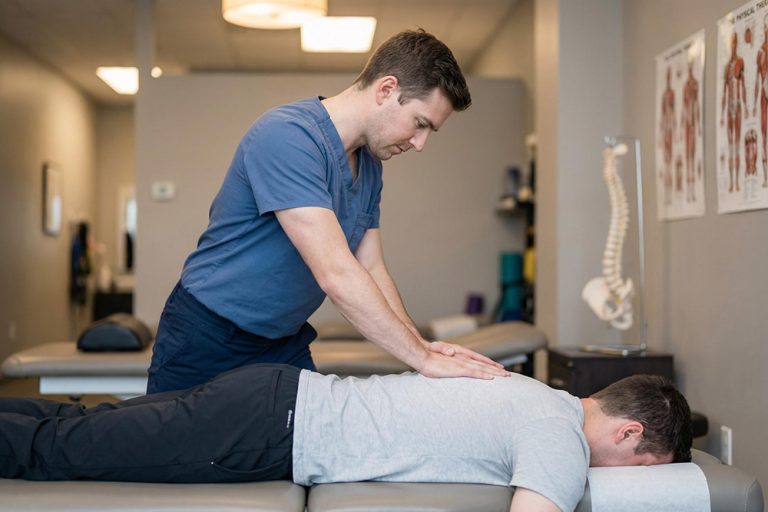
If a person is considered suitable, the clinician explains the proposed program before sessions begin. During a spinal decompression procedure in St Albans, the patient lies on a specialised table while the system applies controlled cycles through the selected spinal area.
The process is adjustable rather than sudden. Settings may be changed according to the region being addressed, symptom behaviour, treatment tolerance, and response over time. Session length and frequency can vary, so these details are generally discussed after the assessment.
A program may also include advice about daily movement, activity modification, and suitable spine decompression exercises where appropriate. Decompression is not surgery and does not involve injections, although it should still form part of a considered clinical plan rather than be used without assessment.
A Measured Approach to Non-Surgical Care

A Measured Approach to Non-Surgical Care
Some people want to understand conservative options before discussing injections or surgery. Disclift provides an assessment-led pathway for selected patients exploring non-surgical back pain in St Albans.
This does not mean every patient will be advised to begin decompression. The clinician may decide that monitoring, exercise-based care, medical assessment, or referral is a better next step. Where decompression is considered appropriate, progress is reviewed rather than assumed.
Support for St Albans and Melbourne’s West

St Albans includes busy residential, retail, transport, school, and industrial areas. Long periods of driving, desk work, repetitive lifting, physical employment, and sport can all influence how spinal symptoms affect day-to-day life. Disclift supports people from St Albans and surrounding suburbs, including Keilor Downs, Sunshine, Kings Park, Deer Park, Albanvale, and other parts of Melbourne’s west.
For someone searching for spinal decompression therapy near me, a consultation provides an opportunity to discuss symptoms, review relevant reports or scans, and understand whether decompression may reasonably form part of the next step.