
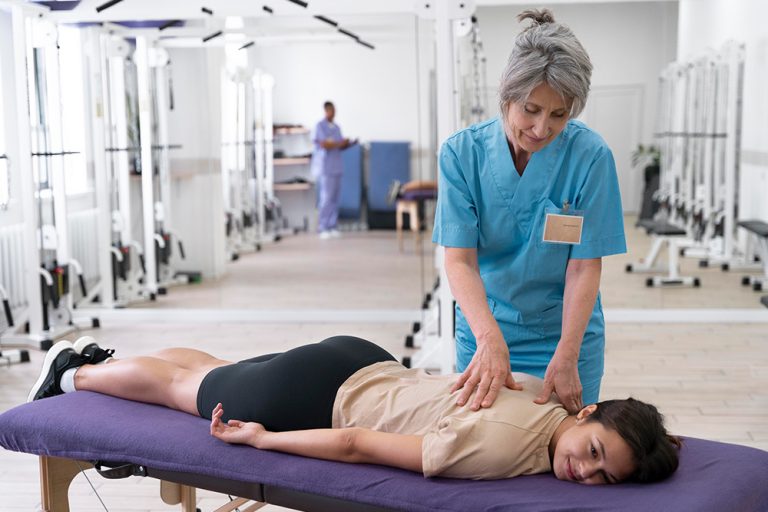
When spinal discomfort continues for longer than expected, it is not always easy to know which non-surgical treatments may be helpful. Broadly speaking, nonsurgical decompression aims to ease loading around selected spinal structures in a measured way that may assist with comfort, mobility, and day-to-day activity in suitable cases.
The consultation process also involves understanding how symptoms behave throughout the day, whether certain movements or activities increase discomfort, and what treatments or approaches have already been tried. Previous imaging, health history, and overall functional goals may also be considered where relevant. This broader assessment helps build a clearer understanding of the individual situation rather than focusing only on symptom location.
At Disclift, we support patients looking into spinal decompression therapy in Cranbourne through an initial consultation. During this process, we assess suitability and explain whether this form of care is likely to be appropriate for the individual’s presentation. This step is important, as back and neck symptoms can develop for different reasons, and not every person with persistent spinal pain is suited to decompression-based care.
What Is DISCLIFT?
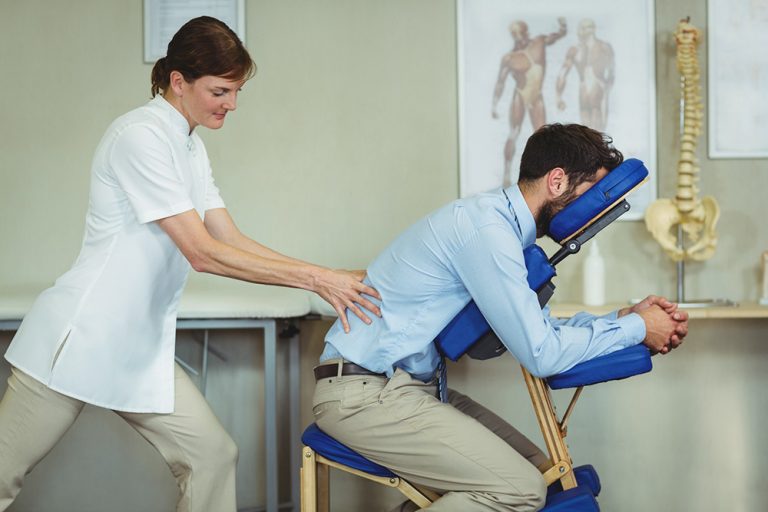
DISCLIFT is a computer-guided spinal decompression program delivered through a specialised decompression table.
Rather than relying on a simple, fixed pull, the system uses controlled loading and relaxation cycles that can be adjusted according to comfort, tolerance, and clinical response. In practical terms, the purpose is to temporarily reduce mechanical loading across selected spinal segments as part of a wider care plan.
This is not presented as a universal solution. Instead, it is a structured, non-invasive option that may be considered for selected people with persistent or disc-related spinal symptoms who want to explore a non-surgical pathway. Where appropriate, the program may sit within a broader plan that also considers movement, function, and progression over time.
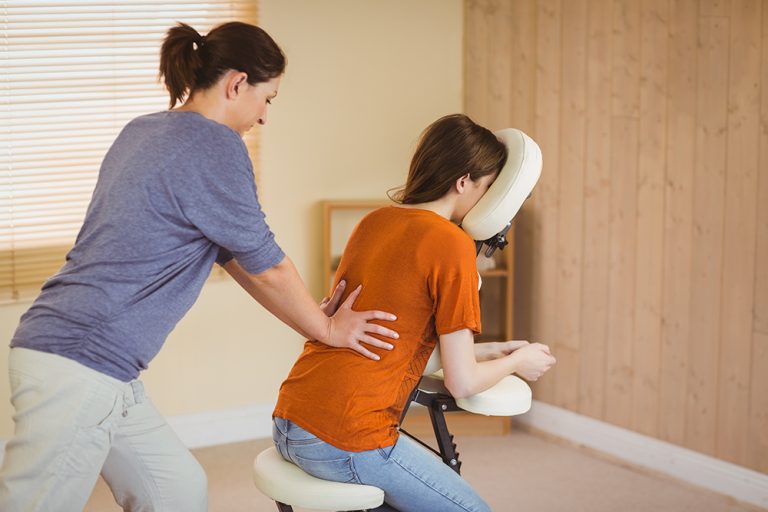
Who May Consider Spinal Decompression Therapy in Cranbourne?
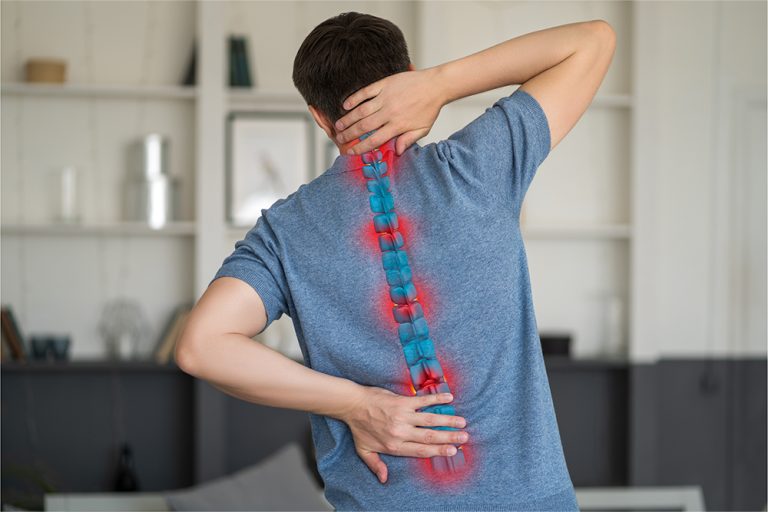
Who May Consider Spinal Decompression Therapy in Cranbourne?
People who consider this type of program are often those whose spinal symptoms have not improved as expected with time, rest, or general conservative care. This may include some individuals experiencing disc bulges, disc herniation, sciatica, degenerative disc changes, ongoing neck pain, or chronic lower back symptoms.
That said, not every person with back pain will need the same management path. For example, someone dealing with lower back pain muscle strain may require a different approach from a person whose symptoms are more consistent with nerve irritation or disc-related loading issues. That is why suitability screening comes first.
Conditions Commonly Assessed for Spinal Decompression Therapy in Cranbourne
DISCLIFT may be considered as part of a care plan for selected individuals experiencing:






It is equally important to recognise when symptoms need more urgent medical attention rather than a routine decompression assessment. If pain is worsening quickly or is linked with significant weakness, numbness, or bowel or bladder changes, urgent medical review should take priority.
We also provide spinal decompression therapy services to patients in areas, including Epping, Mickleham, Thomastown and South Morang
Why Assessment Comes First
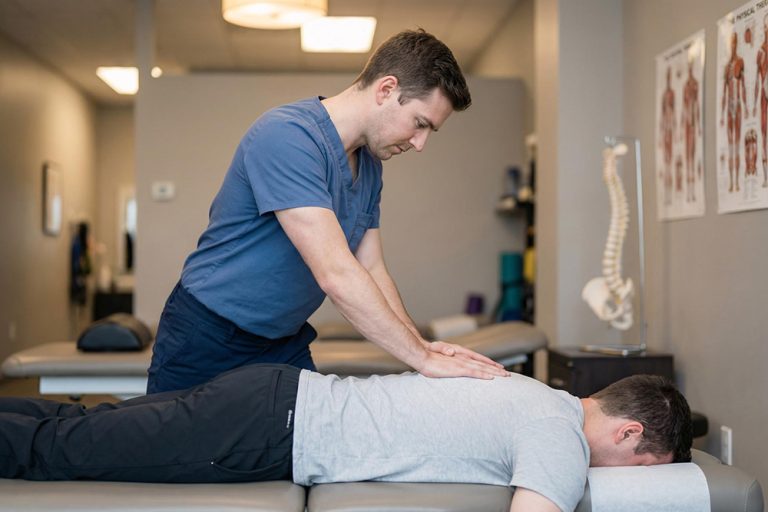
One of the key differences in the DISCLIFT model is that treatment does not begin with a generic protocol. It starts with a decompression assessment. This review looks at how the symptoms behave, how much movement is tolerated, what the likely pain drivers may be, what care has already been tried, and whether decompression-based loading may be appropriate.
For people searching online for spinal decompression treatment around Cranbourne or nearby non-surgical options, this assessment-led approach matters. It helps distinguish people who may benefit from a structured decompression program from those who may be better suited to another pathway. It also provides a more realistic understanding of what care may involve rather than assuming the same program fits everyone.
Why DISCLIFT
Why DISCLIFT
Many people looking into spinal decompression nearby Cranbourne options are trying to avoid moving too quickly toward injections or surgery without first understanding what other suitable care may still be available. DISCLIFT is designed as a program-based service rather than a once-off treatment model. In other words, care is monitored, adjusted, and reviewed over time instead of being delivered as a stand-alone session.
The emphasis is on controlled delivery, comfort, and measured progression. For some individuals, that may support better movement tolerance, reduced spinal loading during treatment, and improved day-to-day function. However, outcomes are not assumed, and treatment is not presented as a guaranteed solution for disc pathology or chronic pain.
Get Help with Spinal Decompression Therapy for Cranbourne Patients
As surrounding suburbs continue to grow, so does the need for accessible non-surgical care options closer to home, particularly for people trying to balance work, family, and longer-term musculoskeletal symptoms.
If you are looking into disc decompression, exploring Back Pain Treatment near to Cranbourne, or even typing spinal decompression therapy near me, DISCLIFT offers a structured option built around assessment, suitability, and monitored care. Even people who arrive here after searching terms such as non-surgical back pain are often really looking for the same thing: a non-surgical pathway that is measured, practical, and based on proper screening.
What Happens During the Program?

What Happens During the Program?
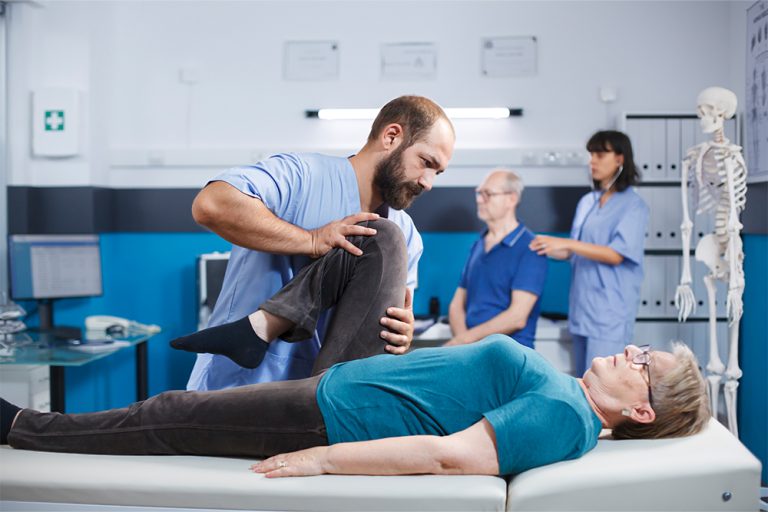
Once the assessment has been completed, the clinician decides whether a decompression program is appropriate. If it is, the care plan is then structured around regular sessions delivered on the decompression table, with settings adjusted according to the person’s tolerance and observed response. This computer-guided model is intended to be more controlled than a simple static traction approach.
The session itself is usually designed to feel gentle and measured. People are positioned according to the spinal region being addressed, and loading is delivered through programmed cycles rather than one continuous pull. For patients researching the spinal decompression procedure around Cranbourne, the key point is that this is a non-surgical, table-based therapy provided as part of a broader program, not an injection and not an operation.
Frequently Asked Questions
Who is a good candidate for spinal decompression therapy in Cranbourne?
A suitable candidate is generally someone with persistent disc-related or nerve-related spinal symptoms who has been assessed and found appropriate for a decompression-based program. Not everyone with back pain will be suitable, especially where symptoms relate more closely to lower back pain muscle strain treatment needs than disc-related loading concerns.
How does spinal decompression therapy work?
Nonsurgical spinal decompression aims to reduce pressure around spinal structures through controlled unloading or stretching of the spine. DISCLIFT uses a computer-guided table to do this in programmed cycles rather than a fixed pull.
How long does each spinal decompression session take?
Session length can vary depending on the program and the spinal region being addressed. Usually, treatment is delivered within a standard clinical appointment, and exact timeframes are discussed during assessment and planning.
Can spinal decompression help with sciatica in Cranbourne?
In selected cases, yes, spinal decompression may be considered as part of a care plan for sciatica. However, it is not suitable for every presentation. Assessment is important because symptoms travelling into the leg can come from different causes.
an I continue daily activities after spinal decompression treatment in Cranbourne?
Many people are able to return to normal light daily activity after a session. However, advice can vary depending on symptoms, tolerance, and the wider plan. People seeking spinal decompression therapy in Cranbourne may also ask about exercises for lower back pain as part of their recovery, but the right advice depends on the cause of symptoms.
Do I need to prepare before a spinal decompression session in Cranbourne?
Usually, preparation is straightforward. It may involve wearing comfortable clothing, being ready to explain current symptoms clearly, and following any instructions given at the assessment stage for your Cranbourne consultation.
What makes spinal decompression different from chiropractic care in Cranbourne?
Spinal decompression and chiropractic care are not the same service. DISCLIFT is based on a structured decompression table program designed around controlled spinal loading, whereas chiropractic care may involve different forms of assessment and manual treatment.
Can spinal decompression improve mobility in Cranbourne patients?
For selected individuals, decompression may support movement tolerance and functional comfort as part of a wider plan. It is not promoted as a guaranteed mobility solution, but some people in Cranbourne explore it because they want to move more comfortably.
What should I do if I have severe back pain in Cranbourne?
If the pain is severe, getting worse, or linked with bowel or bladder changes, numbness, or weakness, seek urgent medical care first. Those symptoms need timely medical assessment.
How do I book spinal decompression therapy in Cranbourne?
The first step is an assessment. That review helps determine whether the program is appropriate before treatment begins.
I am searching how to decompress your spine. Can I just try it myself?
Self-help strategies can be useful in some situations, but spinal pain is often more complex than it first appears. For persistent or radiating symptoms, assessment is the safer starting point.
Are there spine decompression exercises I should do?
Exercise can be a valuable part of many back pain management plans. Even so, the right exercise approach depends on the cause of symptoms, so personalised guidance is important.
If I am wondering how to decompress lower spine, should I book an assessment?
Yes. If symptoms have continued and you are considering a decompression-based option, an assessment is the best next step because it helps determine whether the approach suits your condition, your goals, and your current level of function.