

DISCLIFT for Disc Herniation
A disc herniation occurs when disc material extends beyond its normal boundary and may place pressure on surrounding spinal structures.
DISCLIFT is designed to manage spinal loading through controlled decompression. In carefully selected individuals, this approach may assist with symptom tolerance and functional movement as part of a broader care plan.
Clinical suitability depends on factors such as:
- Location and severity of the herniation
- Symptom behaviour and irritability
- Neurological findings
- Overall spinal stability and health


What Is a Herniated Disc?
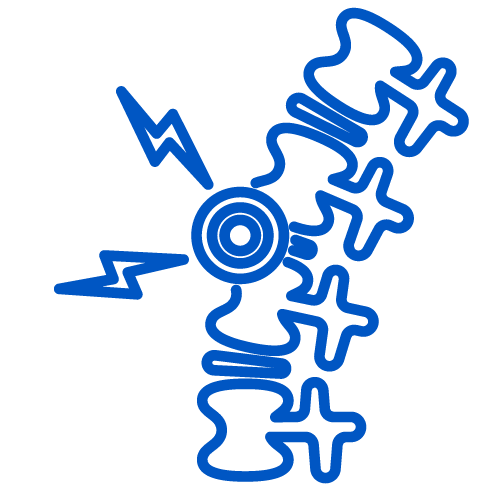
A disc herniation occurs when disc material moves beyond the normal boundary of the intervertebral disc. Herniation may occur in different parts of the spine and varies in size, direction, and relationship to nearby nerves. Some herniations produce no symptoms, while others are associated with pain, altered sensation, or changes in movement. Imaging findings need to be considered alongside symptoms and clinical examination.
Common Symptoms of Disc Herniation
Symptoms depend on the location of the herniation and whether nearby nerve structures are affected. Common presentations include:
- Localised neck or back pain
- Pain travelling into an arm or leg
- Tingling or altered sensation
- Numbness
- Muscle weakness
- Reduced tolerance for sitting, bending, lifting, or other movements
The presence of a disc herniation on a scan does not automatically explain symptoms. Clinical assessment helps determine whether imaging findings match the way symptoms behave.
What Causes a Herniated Disc?
Disc herniation often develops through a combination of age-related disc changes and mechanical loading. Repeated bending, lifting, twisting, or a sudden loading event may contribute in some cases. Previous spinal problems, physical demands, smoking, and individual disc health may also influence risk.
When Does a Herniated Disc Require Medical Assessment?
Arrange medical assessment if pain persists, worsens, affects normal movement, or is accompanied by numbness, tingling, or weakness. Medical review is also appropriate when symptoms follow significant trauma or when pain is associated with fever, unexplained weight loss, or another health concern.
Can Spinal Decompression Be Considered for a Herniated Disc?
Controlled spinal decompression may be considered for selected individuals after appropriate assessment. DISCLIFT is designed to modify spinal loading in a controlled manner rather than physically remove or repair herniated disc material. Suitability depends on symptom behaviour, neurological findings, spinal stability, medical history, and the wider clinical picture. Decompression should form part of an individual management plan rather than being presented as a stand-alone cure.
Who May Not Be Suitable?
DISCLIFT may not be appropriate when assessment identifies signs requiring medical or specialist review first. This includes progressive neurological loss, suspected spinal instability, significant trauma, or symptoms suggesting a serious underlying condition. Suitability also depends on bone health, previous spinal procedures, current medical conditions, and other factors identified during assessment.
What Happens During an Assessment?
The assessment begins with a discussion about your symptoms, when they started, movements or positions which aggravate them, previous treatment, medical history, and available imaging or reports. The clinician then assesses movement and relevant neurological findings. Strength, sensation, reflexes, symptom response, and functional limitations may form part of the examination where appropriate. Assessment findings help determine whether DISCLIFT fits within the management plan or whether another form of care or medical referral is more appropriate.
What Does Treatment Involve?
DISCLIFT uses controlled decompression sessions based on individual assessment findings. Treatment settings and positioning are adjusted according to the spinal region being managed, symptom tolerance, and clinical response. Progress is reviewed throughout care. Exercise, activity modification, rehabilitation, or other management strategies may also form part of the broader plan. Treatment response varies between individuals.
Disc Bulge Vs Disc Herniation
A disc bulge generally describes a broader extension of disc tissue beyond its usual boundary. A disc herniation describes a more localised displacement of disc material beyond the disc space. Neither finding automatically means severe symptoms are present. Some people have disc changes on imaging without pain, while others experience significant symptoms where nearby nerve structures are involved.
When Should You Seek Urgent Medical Attention?
Seek urgent medical care if spinal pain occurs with:
- New loss of bladder or bowel control
- Difficulty passing urine
- Numbness around the genital, inner thigh, or anal region
- Sudden or rapidly worsening weakness
- Significant loss of movement or sensation in an arm or leg
- Severe symptoms following major trauma
These symptoms require medical assessment rather than routine decompression care.
FAQs
Is DISCLIFT suitable for all disc herniations?
Will DISCLIFT remove a herniation?
Does every herniated disc cause pain?
No. Some herniations are found on imaging without producing symptoms. Clinical findings help determine whether the disc change relates to the symptoms being experienced.
Does a larger herniation always mean worse symptoms?
No. Symptoms depend on several factors, including the location of the herniation, involvement of nearby nerves, inflammation, and individual response.
Do I need an MRI before DISCLIFT?
Not everyone requires imaging. Existing scans are reviewed where available, while further imaging or medical assessment may be recommended when clinical findings support the need.
How many DISCLIFT sessions are required?
There is no fixed number for every person. Treatment frequency and duration depend on assessment findings, symptom response, and progress over time.
Can exercise form part of treatment?
Yes. Exercise, movement advice, and rehabilitation may form part of the wider management plan where clinically appropriate.
Evidence, Safety and Responsibility
Research into spinal decompression therapy continues to evolve.
Some studies suggest potential benefits for carefully selected individuals, while others highlight variability in outcomes and emphasise the importance of screening, controlled delivery, and realistic expectations
Health policy reviews consistently note that spinal decompression therapy should not be positioned as a cure or universal solution.
DISCLIFT is offered as an evidence-informed option within a structured clinical framework. It does not replace medical or surgical care.