
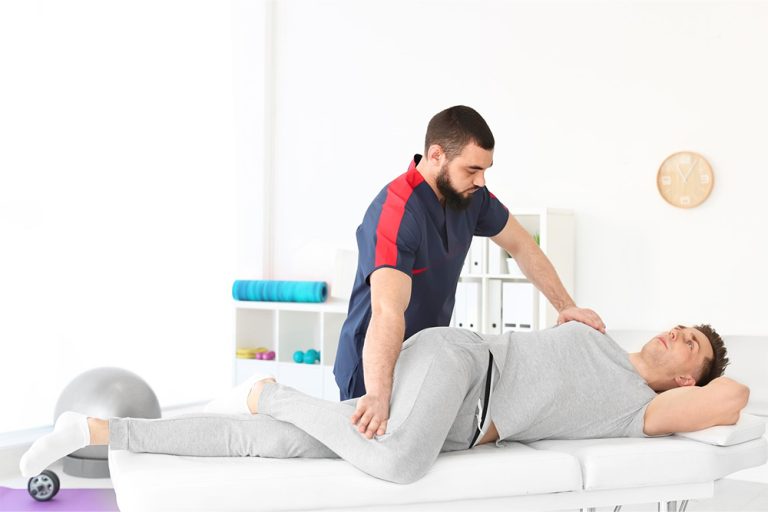
For people living with ongoing spinal pain, it is not always easy to know which non-surgical options are worth exploring and which ones are not. The broader idea behind nonsurgical spinal decompression is to reduce pressure around affected spinal structures in a way that may support comfort and movement in selected individuals.
Looking for spinal decompression therapy in Craigieburn? DISCLIFT provides an assessment-led approach using computer-guided technology designed to support individuals experiencing persistent spinal symptoms. For selected individuals, spinal decompression Craigieburn programs may be considered as part of a broader care plan for disc-related conditions, back symptoms, mobility limitations, and non-surgical back pain Craigieburn care options.
At Disclift, we can guide you on your treatment decisions with an assessment, suitability screening, and a clear discussion about whether this form of care is appropriate for you. That matters because back and neck symptoms do not all come from the same cause, and not every person with spinal pain is a suitable candidate for decompression-based care.
What Is DISCLIFT?
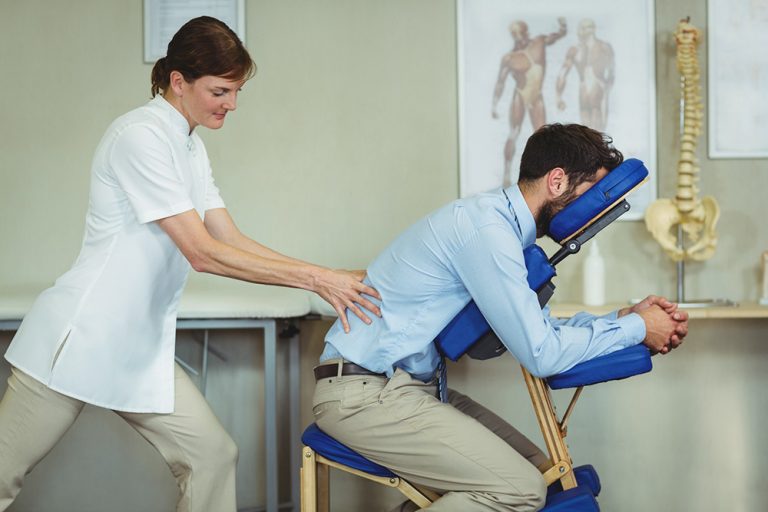
DISCLIFT is a computer-guided spinal decompression program delivered using a specialised decompression table.
Rather than applying a simple static pull, the system is designed to deliver controlled loading and relaxation phases that can be adjusted according to tolerance, comfort, and clinical findings. In practical terms, the aim is to temporarily reduce mechanical pressure across selected spinal segments as part of a broader care plan.
This approach is not positioned as a cure-all. It is a structured, non-invasive option that may be considered for selected people with disc-related or persistent spinal symptoms who are looking for a non-surgical pathway. Where appropriate, it may be used within a wider program that also considers movement, day-to-day function, and progression over time.
Who May Consider This Type of Care?

Who May Consider This Type of Care?
People who may consider this type of program are usually those dealing with persistent spinal symptoms that have not settled as expected with time, rest, or other conservative care. This may include some individuals with disc bulges, disc herniation, sciatica, degenerative disc changes, ongoing neck pain, or chronic lower back symptoms.
A person with lower back pain muscle strain may need a different management path from someone with nerve-related leg pain or a disc-related presentation, making it essential for the person to undergo a suitability screening before moving forward.
Conditions Commonly Assessed in Craigieburn
DISCLIFT may be considered as part of a care plan for selected people experiencing:




Individuals seeking back pain treatment Craigieburn services often present with symptoms linked to disc and spinal loading issues. DISCLIFT may be considered for selected individuals experiencing lower back symptoms, sciatica, disc bulges, or mechanical spinal discomfort following clinical assessment. Suitability varies between individuals.
It is also important to recognise when symptoms may need urgent medical review instead of routine decompression assessment.
We also provide spinal decompression therapy services to patients in areas, including Epping, Mickleham, Thomastown and South Morang
Why Assessment Comes First
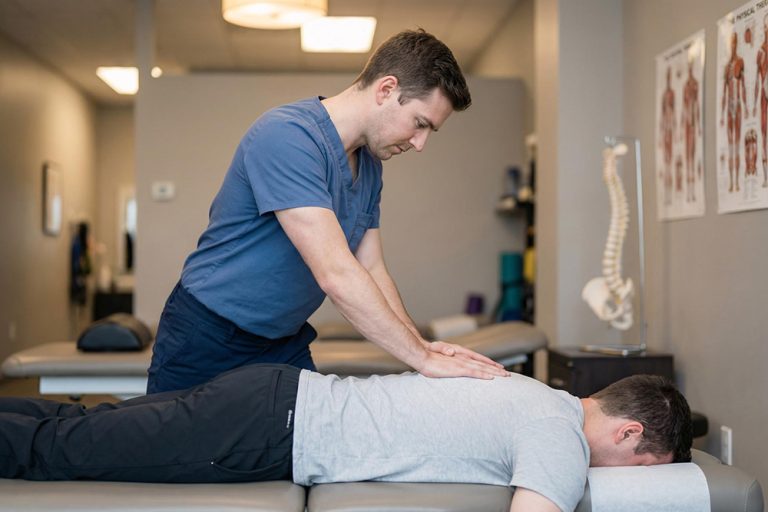
One of the main differences in the DISCLIFT model is that treatment does not start with a generic protocol. It starts with a decompression assessment. That assessment looks at symptom behaviour, movement tolerance, likely pain drivers, previous care, and whether decompression-based loading may be appropriate. This is particularly important because not all persistent pain behaves the same way, and not all spinal symptoms respond to the same type of care.
For people searching for Spinal Decompression Therapy in Craigieburn or spinal decompression treatment in Craigieburn, this approach matters. It helps separate people who may benefit from a structured decompression program from those who may be better suited to another pathway altogether.
Why DISCLIFT

Why DISCLIFT
Many people exploring non-surgical back pain in Craigieburn options are trying to avoid escalating too quickly to injections or surgery without a clear understanding of what other appropriate care may still be available. DISCLIFT is designed around a program-based model rather than a one-off session model. That means care is monitored, adjusted, and reviewed rather than delivered as a stand-alone treatment.
The focus is on controlled delivery, comfort, and measured progression. For some people, that may support improved tolerance to movement, reduced spinal loading during treatment, and better day-to-day function
Note: Outcomes are not assumed, and treatment is not presented as a guaranteed fix for disc pathology or chronic pain.
Get Help with Spinal Decompression Therapy for Craigieburn Patients

As suburbs grow, so does demand for accessible non-surgical care options closer to home, particularly for people balancing work, family, and longer-term musculoskeletal symptoms.
If you are looking into spinal decompression in Craigieburn, disc decompression in Craigieburn or even searching online for spinal decompression therapy near me, DISCLIFT can help with a structured option built around screening, suitability, and monitored care.
For some, it may form part of a wider plan for their Back Pain Treatment in Craigieburn where persistent symptoms are affecting normal activity.
DISCLIFT supports individuals searching for non-surgical back pain Craigieburn solutions and nearby communities including Mickleham, Roxburgh Park, Greenvale and Kalkallo. Every program begins with a structured assessment to determine whether care may be appropriate based on symptoms and clinical findings.
What Happens During the Program?
What Happens During the Program?
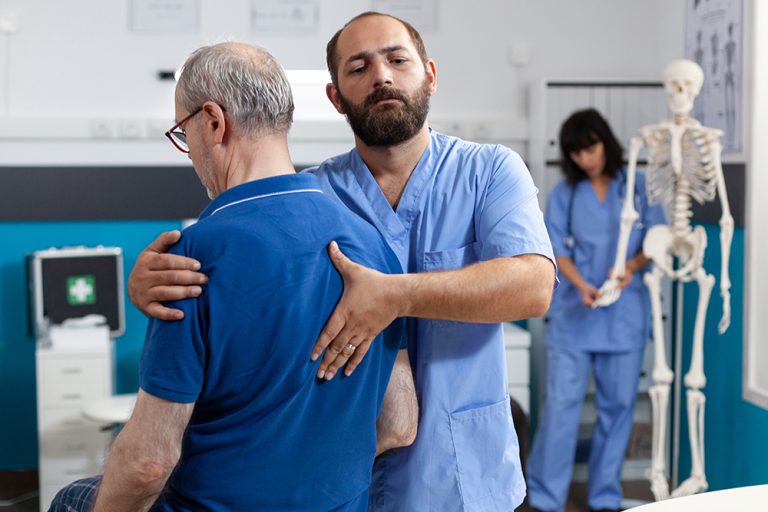
After assessment, the clinician will decide whether a decompression program is appropriate. If it is, the care plan is structured around regular sessions delivered on the decompression table, with settings adjusted to the person’s tolerance and observed response. This computer-guided approach is intended to be more controlled than a simple static traction approach.
The session itself is usually designed to be gentle and measured. People are positioned according to the spinal region being addressed, and loading is applied through programmed cycles rather than a fixed pull. For some patients researching the spinal decompression procedure in Craigieburn, the main point to understand is that this is a non-surgical, table-based therapy delivered as part of a program, not an injection or an operation.
Frequently Asked Questions
Who is a good candidate for spinal decompression therapy in Craigieburn?
A good candidate is usually someone with persistent disc-related or nerve-related spinal symptoms who has first had an assessment and has been found suitable for a decompression-based program. Not every person with back pain will be appropriate, especially where symptoms are mainly linked to lower back pain muscle strain treatment needs rather than disc-related loading issues.
How does spinal decompression therapy work?
Nonsurgical spinal decompression aims to reduce pressure around spinal structures through controlled stretching or unloading of the spine. DISCLIFT uses a computer-guided table to do this in programmed loading cycles rather than through simple static pull.
How long does each spinal decompression session take?
Session length can vary depending on the program and the area being treated, but treatment is generally delivered within a standard clinical appointment. Exact timeframes are explained during assessment and planning.
Can spinal decompression help with sciatica in Craigieburn?
Sciatica is pain that starts in the back and travels down the leg when something presses on the sciatic nerve or its roots. In selected cases, spinal decompression may be considered as part of a care plan, but it is not suitable for every presentation of sciatica.
Can I continue daily activities after treatment?
Many people are able to continue normal light daily activity after a session, although individual guidance may vary depending on symptoms, tolerance, and the wider care plan. Healthdirect generally recommends staying active in appropriate ways for many back pain presentations.
Do I need to prepare before a spinal decompression session?
Usually, preparation is simple. It may include wearing comfortable clothing, arriving ready to discuss current symptoms clearly, and following any instructions given at the assessment stage.
What makes spinal decompression different from chiropractic care?
Spinal decompression and chiropractic care are not the same service. DISCLIFT is based on a structured decompression table program aimed at controlled spinal loading, while chiropractic care can involve other forms of assessment and manual care. The exact difference is best discussed during consultation based on your presentation.
Can spinal decompression improve mobility?
In selected individuals, decompression may support movement tolerance and functional comfort as part of a wider plan. It is not presented as a guaranteed mobility solution, but some people do seek it because they want to move more comfortably.
What should I do if I have severe back pain in Craigieburn?
If the pain is severe, worsening, or linked with bowel or bladder changes, numbness, or weakness, seek urgent medical care first. Healthdirect advises immediate assessment for those red-flag symptoms.
How do I book spinal decompression therapy in Craigieburn?
The first step is a decompression assessment. That allows the clinician to decide whether the program is appropriate before treatment begins.
I am searching how to decompress your spine. Can I just try it myself?
Self-help approaches can be useful for some people, but spinal pain should not be oversimplified. For persistent or radiating symptoms, assessment is the safer place to start.
Are there spine decompression exercises or exercises for lower back pain I should do?
Exercise can be an important part of many back pain plans, and healthdirect notes that keeping active can help with recovery in many cases. However, the right exercises depend on the cause of symptoms, so personalised advice is important.
If I am wondering how to decompress lower spine, should I book an assessment?
Yes. If symptoms have persisted and you are considering a decompression-based option, assessment is the best next step because it helps determine whether the approach suits your condition and goals.