
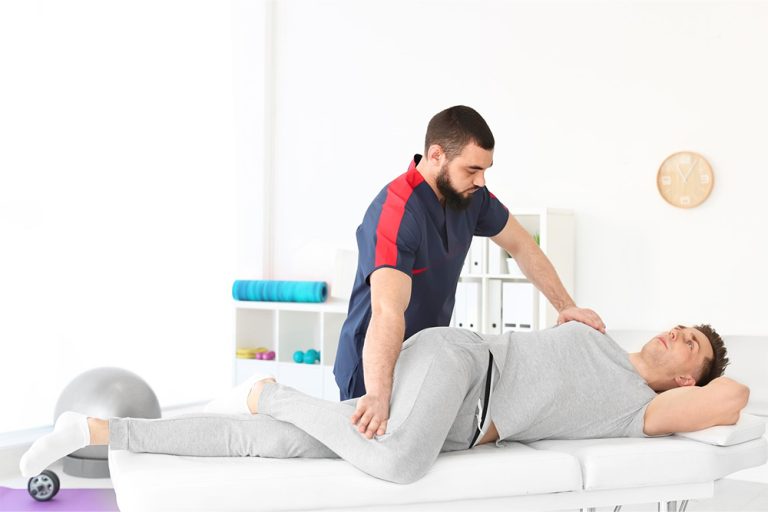
When back or neck symptoms continue for longer than expected, everyday tasks can start to feel more difficult than they should. Sitting for work, standing for longer periods, sleeping comfortably, or even getting in and out of the car may become frustrating when spinal pain remains unresolved. For people in Mooroolbark looking into non-surgical care, it helps to first understand which treatment options are worth exploring and which ones may not suit their condition.
At Disclift, the first step is always an informed assessment. We do not assume that every case of spinal pain is disc-related, and we do not place everyone into the same program. Some people may have symptoms linked to nerve irritation, while others may have a different source driving their pain. That is why we begin with consultation and screening, so we can determine whether spinal decompression in Mooroolbark is a reasonable option to consider.
What Is Spinal Decompression?
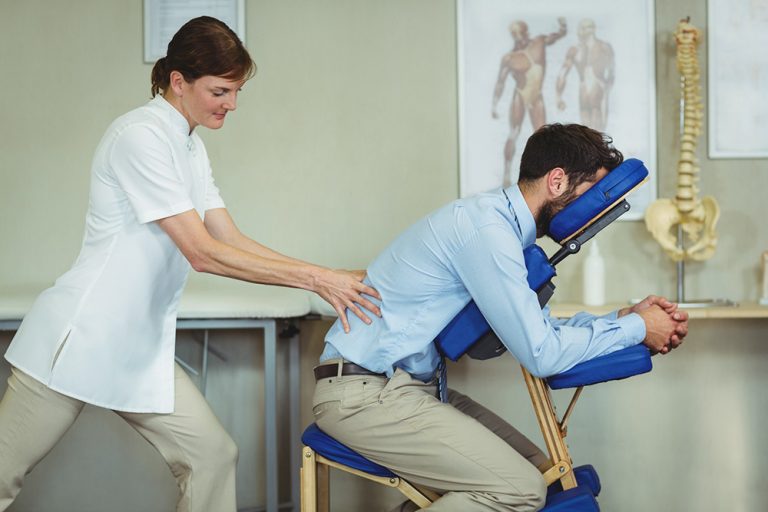
Spinal decompression is a table-assisted, non-invasive therapy designed to apply controlled unloading to targeted parts of the spine. In straightforward terms, it aims to ease mechanical pressure in selected areas in a way that may support better tolerance to movement and improve everyday comfort. At Disclift, the therapy is delivered through a computer-guided system, which allows the treatment cycles to be adjusted according to the patient’s comfort and response.
For people searching for spinal decompression treatment in Mooroolbark, it is worth knowing that this is not promoted as a blanket solution for every type of spinal pain. Instead, it is a structured option that may be considered for selected people who want to explore a non-surgical pathway. When appropriate, the treatment can sit within a broader plan that also considers movement, functional improvement, and progression over time.
Who Should Consider Non-Surgical Spinal Decompression in Dandenong?

Conditions Commonly Assessed
This kind of care is often considered by people whose symptoms have remained present despite rest, time, or basic conservative strategies. In many cases, that includes some presentations involving bulging discs, herniated discs, sciatica, chronic low back symptoms, degenerative disc changes, or longer-term neck pain.
Sciatic pain is one of the more common reasons people look into decompression-based care, but it is also one of the reasons assessment matters so much. Pain that runs down the leg can sometimes suggest pressure or irritation affecting the sciatic nerve, but not every case behaves the same way. For that reason, people exploring disc decompression therapy are usually better off first checking whether their symptoms match the type of presentation this approach is designed to assess.
Conditions Commonly Assessed
DISCLIFT may be considered as part of a care plan for selected individuals experiencing:




This kind of care is often considered by people whose symptoms have remained present despite rest, time, or basic conservative strategies. In many cases, that includes some presentations involving bulging discs, herniated discs, sciatica, chronic low back symptoms, degenerative disc changes, or longer-term neck pain.
Sciatic pain is one of the more common reasons people look into decompression-based care, but it is also one of the reasons assessment matters so much. Pain that runs down the leg can sometimes suggest pressure or irritation affecting the sciatic nerve, but not every case behaves the same way. For that reason, people exploring disc decompression therapy are usually better off first checking whether their symptoms match the type of presentation this approach is designed to assess.
We also provide spinal decompression therapy services to patients in areas, including Epping, Mickleham, Thomastown and South Morang
Why Consult with Disclift in Mooroolbark
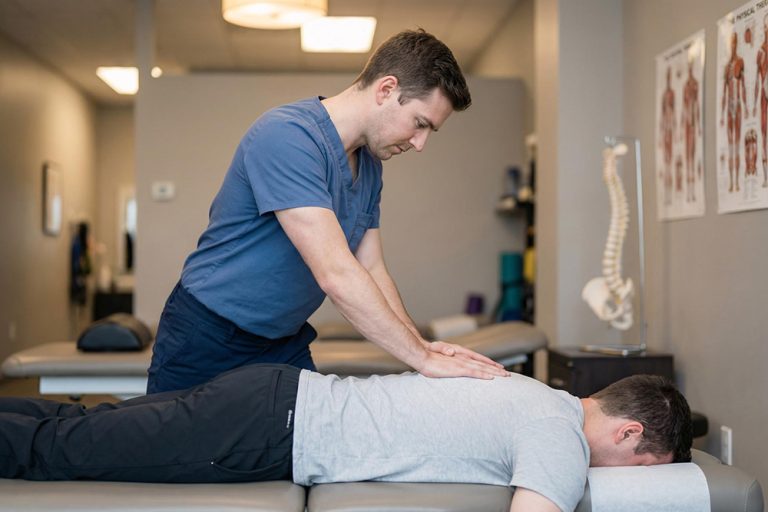
People often want a conservative option that feels systematic and well monitored before they consider more invasive steps. Disclift is designed with that in mind. Rather than offering decompression as a one-off experience, the program is delivered through an assessment-led model that is adjusted over time based on the person’s presentation and tolerance.
For patients comparing spinal decompression in Mooroolbark with other non-surgical back pain approaches, this structure matters. The goal is not to rush into treatment. Instead, the focus stays on suitability, comfort, and measured decision-making. We review how each person presents, monitor their response carefully, and guide care in a way that stays clear and practical.
Why DISCLIFT

Common Causes of Disc and Nerve-Related Symptoms
Many people experiencing ongoing spinal discomfort want to understand what may have contributed to their symptoms. In some cases, disc and nerve-related symptoms can develop following repetitive lifting, prolonged sitting, physically demanding work, sporting activities, previous injuries, or age-related spinal changes. For some individuals, symptoms appear gradually over time, while others notice a more sudden onset following a specific incident.
Understanding the possible contributing factors can help guide management decisions and provide a clearer picture of whether a decompression-based program should be considered as part of a broader treatment plan.
Local Support for Mooroolbark and Nearby Suburbs

For residents in Mooroolbark, having access to care closer to home can reduce some of the difficulty that comes with managing ongoing spinal symptoms. When pain has already made work, household routines, and travel harder, local support can make it easier to attend an assessment and stay consistent with follow-up care if appropriate.
We also welcome patients from surrounding areas such as Lilydale, Croydon, Kilsyth, Mount Evelyn, and Chirnside Park. If you have been looking into disc decompression in Mooroolbark area or trying to find a practical non-surgical pathway for ongoing back pain, the purpose of the consultation is to provide a clearer understanding of whether this approach is suitable for you. Booking an assessment is the best place to begin.
What Happens During the Program?

What Happens During the Program?
Once an assessment is completed, the clinician decides whether a decompression program is appropriate. If it is, care is then planned across a series of sessions delivered on the decompression table, with settings adjusted according to tolerance and observed response. The treatment itself is designed to feel controlled and measured, with loading delivered in programmed phases rather than through one sustained pull.
For people looking up options for spinal decompression procedure in Mooroolbark, it helps to think of it as a non-surgical, table-based program rather than a dramatic intervention. It is not an operation, and it is not the same as an injection-based procedure. Instead, it is one option that may be considered when persistent spinal symptoms appear consistent with a decompression-based approach.
Frequently Asked Questions
Who is a good candidate for spinal decompression therapy in Mooroolbark?
A suitable candidate is usually someone with ongoing disc-related or nerve-related spinal symptoms who has been assessed and found appropriate for a decompression-based program. Not every person with back pain will be suited to it, particularly where symptoms are more consistent with lower back pain muscle strain or another cause that needs a different management path.
How does spinal decompression therapy work?
It aims to reduce loading around selected spinal structures through controlled unloading of the spine. At Disclift, the program uses computer-guided cycles rather than a simple manual pull.
How long does each spinal decompression session take?
Session time can vary depending on the area being treated and the program prescribed. Usually, it fits within a standard clinical appointment, and the exact timing is discussed during assessment.
Can spinal decompression help with sciatica in Mooroolbark?
In selected cases, yes. Sciatica is pain that starts in the back and travels down the leg because something is pressing on the sciatic nerve or its roots. Whether decompression is appropriate depends on assessment rather than assumption.
Can I continue daily activities after treatment?
Many people can return to normal light activity afterwards, although advice can vary depending on symptoms and tolerance. For many low back pain presentations, keeping active in an appropriate way is generally encouraged.
Do I need to prepare before a spinal decompression session?
Preparation is usually simple. Comfortable clothing, clear discussion of your symptoms, and following the clinician’s instructions are generally enough.
What makes spinal decompression different from chiropractic care?
This program is based on a table-guided decompression model designed around controlled spinal loading. Chiropractic care may involve different forms of assessment and manual treatment, so the two approaches are not the same service.
Can spinal decompression improve mobility?
For selected individuals, it may support better tolerance to movement and everyday function as part of a wider plan. It is not presented as a guaranteed fix, but improved comfort during movement is one reason people explore it.
What should I do if I have severe back pain in Mooroolbark?
If the pain is severe or linked with bowel or bladder problems, major weakness, or significant numbness, urgent medical attention should come first.
How do I book spinal decompression therapy in Mooroolbark?
The first step is an assessment. That consultation helps determine whether the program is suitable before treatment begins.
I keep searching for ways on how to decompress your spine . Should I try that on my own?
Self-help can be useful in some cases, but persistent spinal pain is often more complex than it first appears. A proper assessment is usually the safer place to start.
Are there spine decompression exercises or exercises for lower back pain I should do?
Exercise is often helpful in many back pain plans, but the right approach depends on the cause.
If I am trying to understand lower spine decompression or how to decompress lower spine, should I book an assessment?
Yes. If symptoms are ongoing and you are considering a decompression-based option, assessment is the best next step because it helps clarify whether the approach fits your condition, function, and goals.
Can this help with lower back pain muscle strain treatment?
Not always. Muscle strain often needs a different approach from nerve-related or disc-related symptoms, which is exactly why screening comes first.
I have been searching for spinal decompression therapy near me. Is Mooroolbark the right place to start?
If Mooroolbark is convenient for you and you want a non-surgical, assessment-led option, booking a consultation is the most practical first step.
Can spinal decompression help a bulging disc?
Some people with disc-related symptoms explore decompression as a non-surgical option. Suitability depends on assessment findings and the specific nature of the presentation.