

Spinal Decompression Therapy in Penrith for Back Related Concerns
Back pain can make ordinary routines feel harder than they should. Driving along the Great Western Highway, sitting at work, lifting at home, walking around Penrith Plaza, training, or sleeping comfortably can all become difficult when symptoms keep returning.
For people looking into Spinal Decompression Therapy Penrith, it helps to begin with a proper assessment. At Disclift, the first step is to understand your symptoms, movement limits, history, and whether your presentation appears suitable for decompression-based care. This is important because back pain can come from discs, joints, nerves, muscles, or other causes.
What Is Spinal Decompression?
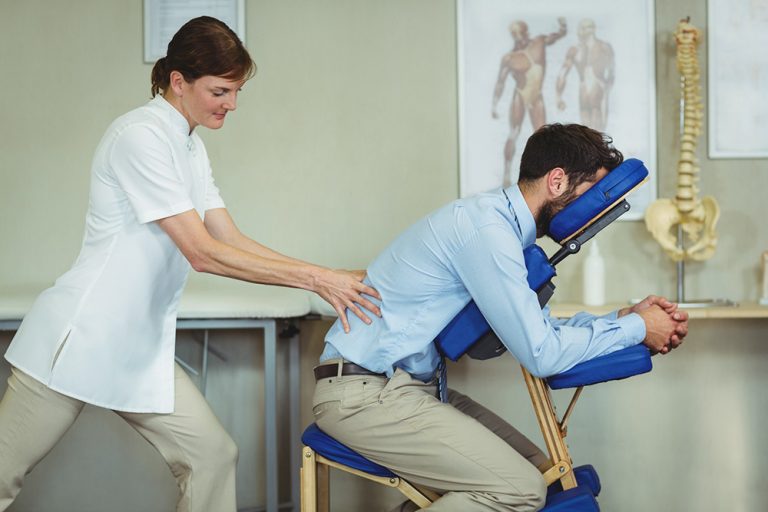
Spinal decompression is a non-surgical, table-based therapy that uses controlled unloading through selected areas of the spine. The aim is to reduce mechanical pressure around certain spinal structures in a measured way that may help with comfort, movement tolerance, and daily function in suitable cases.
At Disclift, spinal decompression treatment Penrith is delivered through a computer-guided system rather than a simple pulling motion. The settings can be adjusted based on the spinal area being addressed, the patient’s comfort, and how the body responds during the program.
Some people search online for how to decompress your spine or how to decompress lower spine, but it is worth noting that spinal symptoms should be assessed before trying to self-manage them. General movement and gentle spine decompression exercises may suit some people, while others may need a more specific approach.
Who May Consider This Type of Care?

Back Pain Treatment That Starts with Screening
Back pain treatment should not begin with guesswork. A person may have disc irritation, nerve-related pain, joint stiffness, postural load, or lower back pain muscle strain treatment needs. Each cause may require a different plan.
That is why Disclift uses an assessment-led approach for Back Pain Treatment Penrith. If decompression appears suitable, a program may be discussed. If symptoms suggest another pathway may be safer or more appropriate, that should be explained clearly before care begins.
Patients should seek urgent medical help if back pain is severe after trauma, linked with fever, sudden weakness, numbness, loss of bladder or bowel control, or difficulty walking.
Conditions Commonly Assessed
DISCLIFT may be considered as part of a care plan for selected people experiencing:






Spinal decompression may be discussed for selected patients with disc-related or nerve-related symptoms. It is not suitable for everyone, and the diagnosis alone does not decide treatment.
Common presentations assessed at Disclift may include herniated discs, bulging discs, sciatica, degenerative disc changes, chronic lower back pain, and ongoing neck-related symptoms. In some cases, people may search for disc decompression Penrith after being told a disc is pressing on or irritating nearby structures.
Sciatica is one common reason people enquire about care. It often involves pain travelling from the lower back into the buttock or leg, sometimes with tingling or numbness. For people considering non-surgical back pain Penrith, assessment helps clarify whether symptoms match a decompression-focused plan.
We also provide spinal decompression therapy services to patients in areas, including Epping, Mickleham, Thomastown and South Morang
Why Choose Disclift in Penrith?
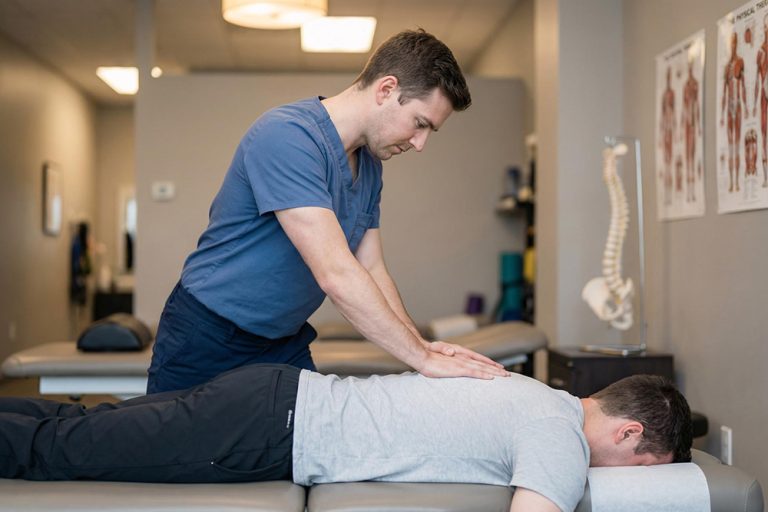
Disclift focuses on structured, non-surgical spinal decompression for patients who want to explore conservative options before considering more invasive pathways. The approach is not to rush into treatment. It is to assess first, explain clearly, and monitor response over time.
The program is designed to be controlled and adjustable. During a spinal decompression procedure Penrith, the patient lies on a decompression table while the system applies measured phases of unloading. This is not surgery and does not involve injections.
For people searching for spinal decompression Penrith, the main value is the combination of screening, planning, and session-by-session monitoring. The goal is to provide a clearer pathway for suitable patients dealing with persistent back, neck, disc, or nerve-related symptoms.
Why DISCLIFT

Local Support for Penrith and Nearby Suburbs
Penrith is a busy part of Western Sydney, with many people balancing work, study, commuting, sport, family life, and physical jobs. When back pain interrupts those routines, having a local option can make assessment and follow-up easier to manage.
Disclift supports patients from Penrith and nearby areas, including Jamisontown, South Penrith, Kingswood, Cambridge Park, Emu Plains, Glenmore Park, St Marys, Werrington, Cranebrook, Orchard Hills, Jordan Springs, and the wider Western Sydney region.
If you have been searching for spinal decompression therapy near me, a consultation can help you understand whether decompression may be suitable, or whether another treatment direction should be considered first.
Frequently Asked Questions
Who is a good candidate for spinal decompression therapy in Penrith?
How does spinal decompression therapy work?
It uses a computer-guided table to apply controlled unloading through selected spinal areas. The aim is to reduce mechanical pressure in a measured way for suitable patients.
How long does each spinal decompression session take?
Session times can vary depending on the program and clinical plan. This is usually explained during consultation before care begins.
Can spinal decompression help with sciatica in Penrith?
It may be considered when sciatica appears linked to disc or nerve-root irritation. Assessment is needed first because leg pain can have different causes.
Can I continue daily activities after treatment?
Many patients continue normal light activities, but advice depends on symptoms and response. Heavy lifting or aggravating movements may need to be modified.
Do I need to prepare before a spinal decompression session?
Wear comfortable clothing and bring any relevant reports or scans if available. The clinician will explain anything else needed before starting.
What makes spinal decompression different from chiropractic care?
Spinal decompression is table-based and uses controlled unloading. Chiropractic care may involve manual techniques, adjustments, exercise advice, or other methods depending on the practitioner.
Can spinal decompression improve mobility?
Some suitable patients may notice improved movement tolerance as symptoms settle. However, outcomes vary, and progress should be monitored over time.
What should I do if I have severe back pain in Penrith?
If pain is severe, sudden, linked with injury, or comes with weakness, numbness, fever, or bladder or bowel changes, seek urgent medical care.
If pain is severe, sudden, linked with injury, or comes with weakness, numbness, fever, or bladder or bowel changes, seek urgent medical care.
You can book a consultation with Disclift to discuss your symptoms, complete an assessment, and find out whether decompression may be suitable.